

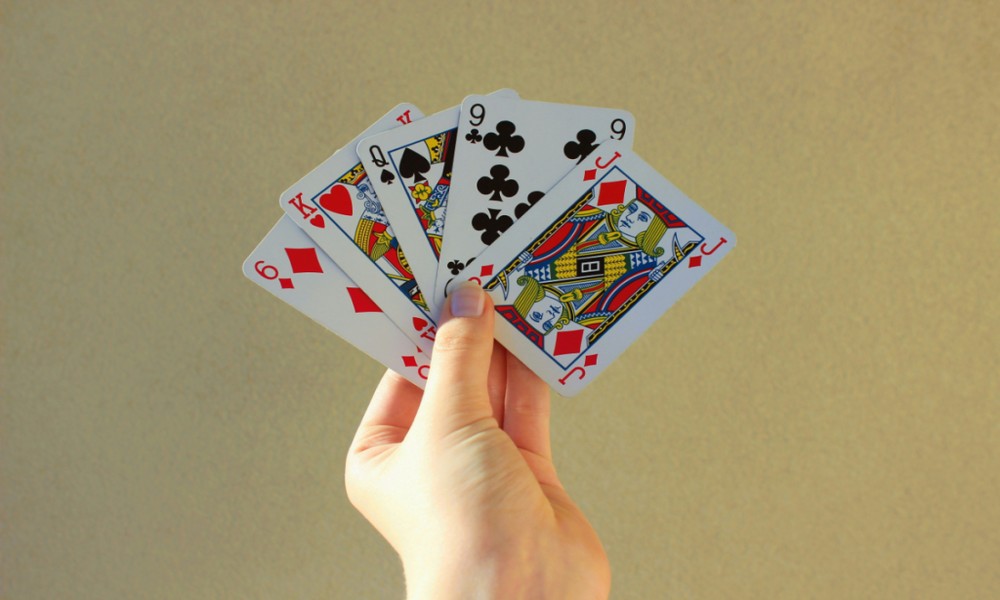
Custom marketing tools evolve with time. Brands seek impact and recall. In this climate, custom promotional playing cards still draw attention. They feel tactile and personal. Now brands want deeper engagement. The digital space feels crowded. So, printed items gain fresh value. The humble deck still sparks joy. It creates moments of pause. That pause builds memory. The question remains clear. Are they still effective today?
The Power of Tangible Brand Touchpoints
Physical products create sensory impact. A card deck feels solid. The paper texture matters. The print finish adds elegance. Sometimes, the weight signals quality. These small cues shape perception. A screen cannot replace touch. That difference shapes brand memory. The mind recalls objects better. It links them with emotion.
Promotional cards invite interaction. People shuffle and deal them. They share laughs with friends. The brand logo stays visible. It sits in every round. The artwork frames each moment. So, the brand becomes part of leisure. This repeated exposure strengthens recall. It builds familiarity without force. Admagic understands this tactile value. The company designs decks with precision. Each detail supports brand identity. The layout aligns with strategy. The result feels cohesive and intentional.
Versatility Across Audiences and Events
Playing cards suit many settings. Trade shows use them well. Corporate events distribute them easily. Retail stores offer them as gifts. The format adapts quickly. The design can vary widely. Themes reflect campaigns and seasons. Sometimes, artwork mirrors product lines.
This flexibility supports different industries. Hospitality brands use elegant decks. Tech firms prefer bold graphics. Nonprofits highlight key messages. The same medium serves all. The scale can match budgets. Small batches work fine. Larger runs reduce cost per unit.
Admagic provides options for customization. The company adjusts finishes and packaging. Each choice affects perception. A matte box feels modern. A glossy box feels premium. So, brands tailor decks carefully. The outcome matches campaign goals.
Emotional Engagement and Social Interaction
Playing cards foster connection. People gather around tables. Conversation flows naturally. Laughter fills the room. The brand remains present. It becomes part of shared memories. Digital ads often interrupt. Physical cards feel welcome. They support leisure moments. The context is positive. So, the brand gains goodwill. It associates with enjoyment. This emotional link drives loyalty. Sometimes, brands include stories in design. Each suit can tell a theme. Each face card shows characters. The narrative deepens engagement. Admagic focuses on production quality. Strong materials reduce wear. Clear printing preserves color. The deck maintains appeal over time. That durability protects brand image.
Conclusion
Custom promotional playing cards remain relevant today. They offer tactile engagement. They support long term visibility. The format adapts easily. It serves diverse audiences. It blends with digital tools. So, effectiveness depends on execution. Strong design drives results. Quality production protects perception. When crafted with intent, these decks deliver steady marketing value.