

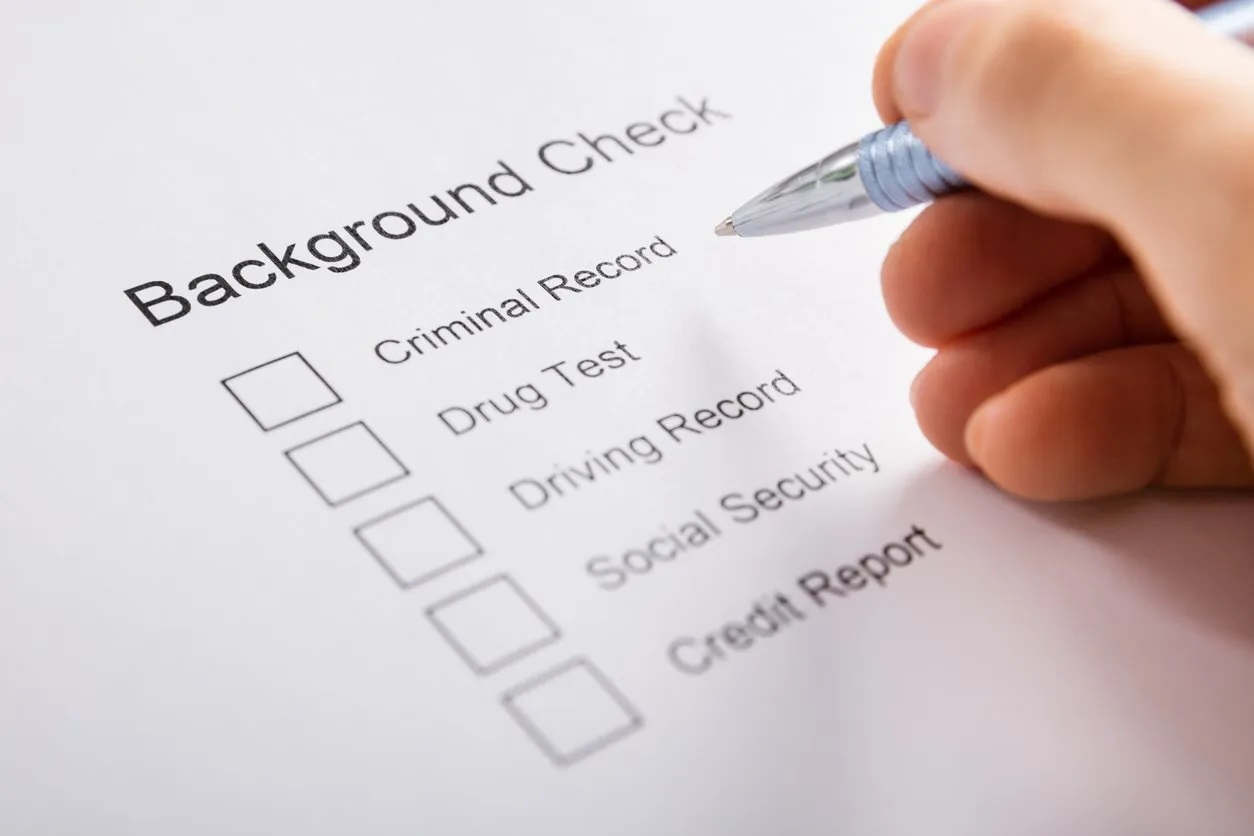
Every driver should know the details within a motor vehicle record. This record reflects a full history of traffic actions and license status. It helps check if your driving information is accurate. Many employers and insurers rely on this report before making decisions. Learning how to get and read it saves trouble in the future. The process is simple but needs care at each step. Accurate records support fair insurance rates and safe driving habits. This guide explains how to request one and understand each section. It also shows how to correct mistakes if found.
Understanding What a Motor Vehicle Record Is
Many people ask what is mvr before starting the process. It stands for motor vehicle record. This report shows the official status of a driver license. It lists violations suspensions or points applied by authorities. Knowing its content helps protect a driving reputation. It is issued by the local motor vehicle agency. Each state may use a slightly different format or layout. It confirms legal standing to operate a vehicle. Accurate details support background checks and employment opportunities. Always review it for completeness and fairness.
How to Request Your Own Record
Requesting the record from the state agency is simple. Visit the official department website for your area. Fill out a short request form with driver details. Present valid identification to confirm ownership of the record. Some offices allow an in person request as well. A small fee is often required for processing. The report may arrive online or by mail delivery. Keep the file safe for future reference or renewal. Always use an official government source to avoid security risk. Check it each year for updates or changes.
How to Read and Understand the Information
Reading the report can seem complex at first glance. Each line shows actions taken by authorities or courts. Codes mark different offenses or license events. A table or legend explains every symbol or notation. Use that guide to identify each section clearly. Confirm dates of any conviction or expiration period. Verify the license status is active or valid. Match the address and name with personal records carefully. Review for any entry that looks unfamiliar or outdated. Understanding each term prevents confusion about driving rights. Knowledge supports confidence behind the wheel.
Correcting Errors and Keeping Records Clean
Errors may appear from simple data entry mistakes or outdated updates. When something looks incorrect take calm action quickly. Contact the motor vehicle office that issued the record. Provide proof of proper information such as court papers or receipts. Ask for written confirmation once correction is complete. Keep copies of all letters and forms filed. Regular checks prevent major issues during job screening. A clean record shows responsibility and care on the road. Treat this report as a personal safety document. Review it often and maintain accurate driving data always.