

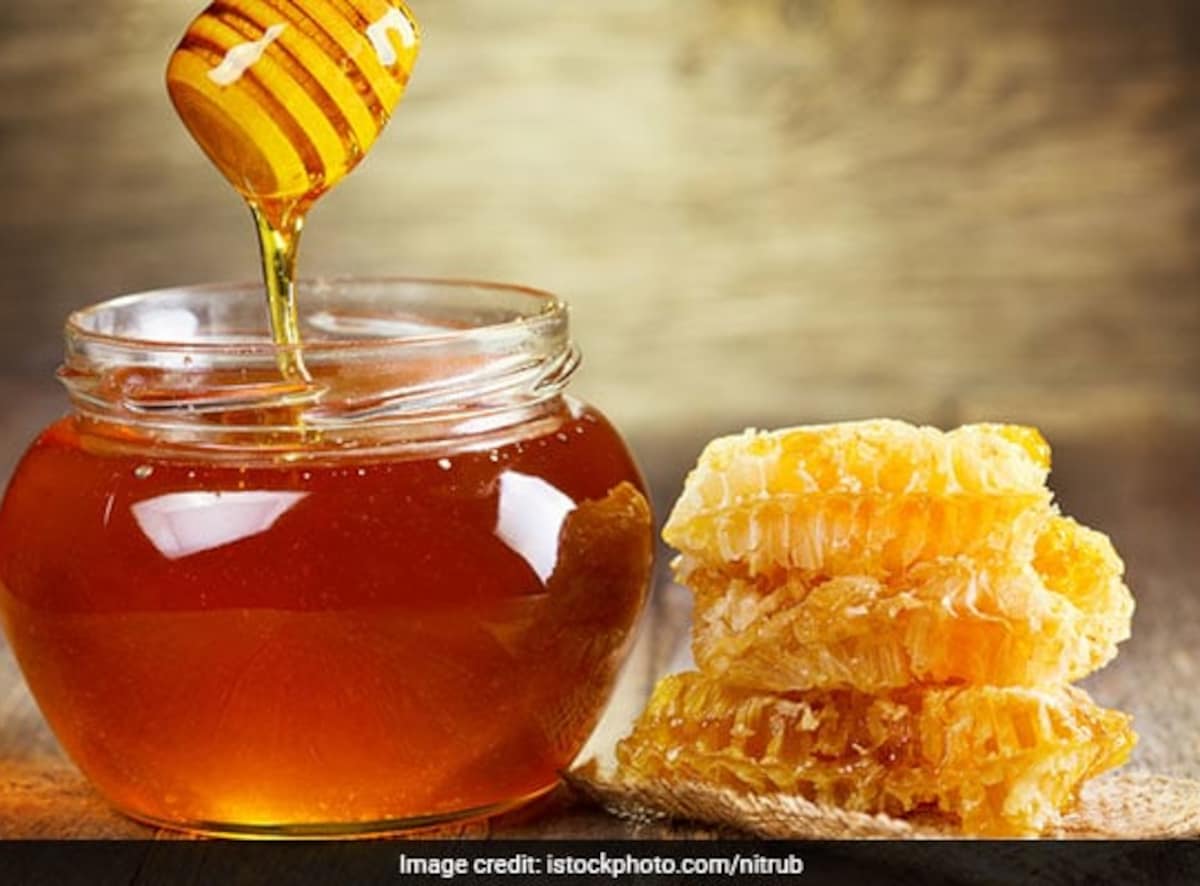
The wellness supplement market has experienced a surge in honey-based products designed for boosting energy. Regular honey gets sold as a sweetener or general health food. Certain honey packs work differently. They combine specialized ingredients that target specific wellness goals. Combining traditional medicine practices with modern nutritional science, these formulations support performance. Marketing strategies emphasize unique ingredient combinations and their potential effects on energy levels. Consumers who buy vip royal honey packs encounter products positioned quite differently from standard honey options. The marketing focuses on specialized applications instead of general nutritional value. This positioning reflects the formulation complexity and the targeted consumer base seeking specific wellness outcomes.
Ingredient composition matters
Standard honey provides quick energy through simple sugars. That’s all it does. Specialized packs take an entirely different approach. These formulations typically include:
- Adaptogenic herbs are recognized in traditional medicine systems for enhancing endurance
- Royal jelly compounds contain amino acids, B vitamins, and proteins.
- Herbal extracts from plants with documented historical use in supporting physical performance and recovery
- Natural compounds that potentially influence energy production at the cellular level
Plain honey cannot make these claims. The ingredient matrix in specialized packs creates different possibilities for how manufacturers position their products. Marketing messages on these formulations bear no resemblance to what appears on standard honey jars at grocery stores. The difference matters because consumers seeking energy support need more than sugar content alone.
Traditional medicine influences
Many honey pack formulations draw heavily from traditional medicine systems where honey served as a carrier for other medicinal substances. This practice spans centuries. Many ancient practitioners combined honey with specific herbs and roots to create preparations for stamina.
Historical texts document these combinations extensively. Utilizing contemporary extraction and concentration methods, manufacturers have adapted traditional formulations. Certain ingredients have been used historically in wellness practices. Credibility is gained from centuries-old practices. This resonates particularly well among consumers interested in natural health approaches. Quality control standards and consistency measures are applied during manufacturing now. Traditional preparations lacked these safeguards. This combination bridges historical practices with current production capabilities and creates a genuinely unique product category that didn’t exist before.
Target market considerations
Marketing strategies for energy-focused honey packs target specific consumer segments. Active adults seeking natural alternatives to synthetic energy supplements represent the primary demographic. These consumers want options beyond mainstream energy drinks and their side effects. Athletes’ enthusiasts interested in performance support constitute another key market segment:
- A caffeine-free alternative to jittery or crashy energy drinks.
- Natural stamina support over pharmaceuticals for professionals with demanding schedules.
- Holistic wellness approaches combining multiple botanicals.
- Consumption on the go requires convenient, portable formats.
Marketing materials emphasize convenience alongside specialized ingredient profiles. Single-serve packaging makes these products practical for busy lifestyles. The honey base delivers immediate energy through natural sugars. Other ingredients work across longer timeframes for sustained effects. Portable formats allow consumption during travel, between activities, or whenever energy support becomes necessary. This dual-action effect separates specialized honey packs from standard honey products.