

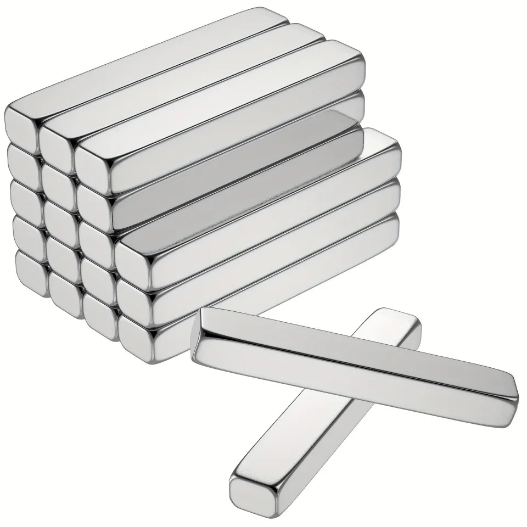
Neodymium bar magnets are known for their incredible strength, compact size, and wide range of industrial applications. Whether you’re working with small bar magnets for electronics or long bar magnets for heavy-duty fixtures, understanding magnet grades is essential. These grades determine strength, temperature resistance, and overall performance—factors that can make or break your project.
What Are Neodymium Magnet Grades?
Neodymium magnets are typically labeled with grades like N35, N42, N52, and so on. The “N” stands for neodymium, while the number indicates the maximum energy product, or in simple terms, the magnet’s strength. Higher numbers mean stronger magnetic force.
For example:
- N35 is the entry-level grade with moderate strength.
- N42 offers a balance between strength and affordability.
- N52 is one of the strongest commercially available grades, ideal when maximum power is needed.
Choosing the right grade helps ensure your magnet performs efficiently without being over- or under-powered for your application.
Why Grades Matter in Neodymium Bar Magnets
When selecting neodymium bar magnets, grade is one of the most important considerations. Different grades deliver different performance levels, which directly affect holding strength, durability, and temperature stability.
If you’re working on a lightweight application—such as sensors, crafts, or educational projects—small bar magnets in the N35–N42 range generally work well. They provide enough strength without unnecessary cost. In contrast, industrial settings like manufacturing lines, metal separation systems, and magnetic tools require long bar magnets with high grades like N48 or N52 for optimal performance.
Temperature Resistance: Another Key Factor
Neodymium magnets are powerful but sensitive to heat. At high temperatures, they may lose their magnetic strength. Standard grades like N35–N52 can typically withstand up to 80°C (176°F) before losing performance.
If your project involves higher temperatures—such as in motors, engines, or automation systems—you may need high-temperature grades, like:
- N35EH
- N42SH
- N33UH
These specialty grades maintain strength even under extreme heat.
Coating and Durability Considerations
Neodymium bar magnets are prone to corrosion, which is why most come with coatings such as nickel-copper-nickel, zinc, or epoxy. When choosing between small bar magnets or long bar magnets, consider the environment in which they will be used. Humid, outdoor, or chemical environments demand corrosion-resistant coatings to extend the magnet’s lifespan.
Matching the Right Magnet to Your Application
When choosing a neodymium magnet, think beyond just strength. Ask yourself:
- What size do I need?
- Will the magnet be used indoors or outdoors?
- Does the application involve heat or friction?
- Do I need maximum strength or just enough for functional performance?
Understanding the grade helps you pick a magnet that fits your project perfectly—balancing performance, durability, and cost.