

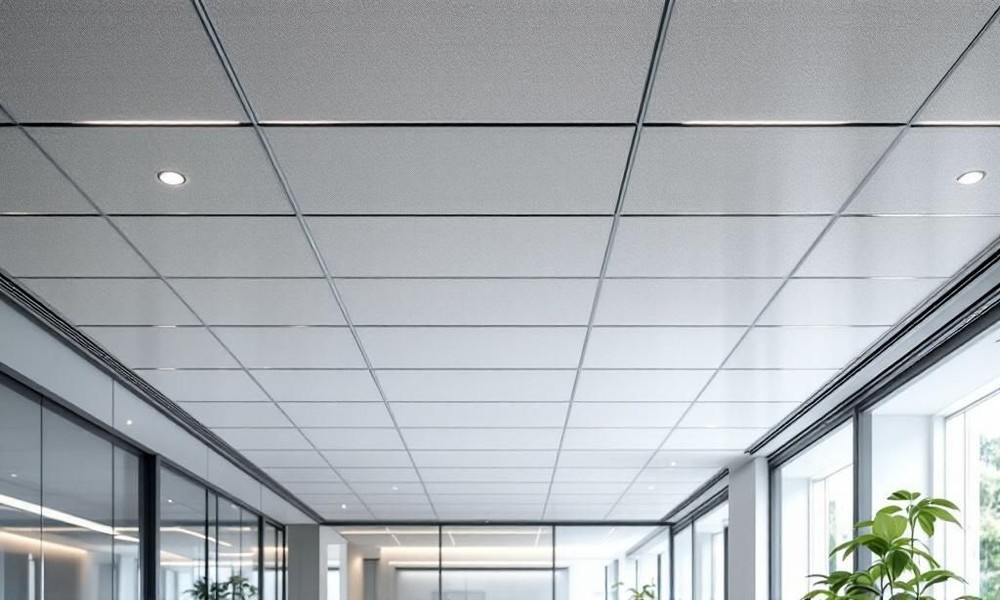
Look up for a moment. Chances are, you don’t really think about your ceiling unless there’s a stain, a crack, or something feels “off.” It’s one of those parts of a space that quietly fades into the background.
But here’s the thing-the ceiling actually does a lot more work than most people realise.
It’s not just there to cover wires or hide structural elements. With the right setup, a ceiling acoustic panel can influence how a room sounds, how bright it feels, and even how comfortable it is to spend time in.
Once you start noticing it, you’ll realise the ceiling isn’t just a surface-it’s part of how the whole space functions.
It’s Not Just About Covering the Ceiling
At first glance, ceiling panels feel like a finishing touch.
They give a clean, polished look and hide everything you don’t want to see-pipes, ductwork, wiring. That alone already makes a big difference visually.
But that’s really just the surface-level benefit.
Behind that clean look, an acoustic ceiling panel is doing something more practical. It turns an otherwise empty overhead space into something functional-something that actively improves the environment without getting in the way.
It’s one of those features that works quietly in the background, but once it’s missing, you immediately feel the difference.
The Way a Room Sounds Changes More Than You Expect
Have you ever been in a room where everything sounds slightly louder than it should?
Not because people are shouting but because sound just keeps bouncing around.
That’s what happens in spaces with a lot of hard surfaces. Sound reflects off walls, floors, and ceilings, creating echo and a kind of constant background noise.
Ceiling panels help fix that in a very subtle way.
They:
- Absorb sound instead of reflecting it
- Reduce echo and overlapping noise
- Make conversations clearer and less tiring
What’s interesting is that you don’t usually notice the panels themselves. You just notice that the room feels calmer, quieter, and easier to be in.
In offices, this can mean better focus. At home, it can make shared spaces feel less chaotic, especially if there are multiple people talking, watching TV, or moving around.
Making a Space Feel More Comfortable (Without You Knowing Why)
Comfort in a room isn’t always something you can point to.
Sometimes, a space just feels “nice” to be in, and ceiling panels play a part in that.
They help by:
- Softening harsh acoustics
- Reducing that hollow or echo-heavy feeling
- Creating a more balanced atmosphere
In larger or open-plan areas, this becomes even more noticeable. Without any sound control, spaces can feel cold or overwhelming. With ceiling panels, everything feels a bit more contained and comfortable.
It’s subtle, but over time, it really changes how a space is experienced.
They Also Help With Temperature (Even If It’s Not Obvious)
Now, ceiling panels aren’t insulation, but they can still support how a room handles heat.
They add a layer between the ceiling and the space below, which can:
- Reduce direct heat transfer from above
- Help maintain more stable indoor temperatures
- Support overall energy efficiency
This is especially useful in top-floor rooms or areas exposed to a lot of heat.
You might not immediately think, “this room feels cooler because of the ceiling,” but it contributes to that overall sense of comfort.
Lighting Feels Better Without Changing the Lights
Here’s something people don’t always realise-your ceiling affects how light behaves.
Some ceiling panels are designed to reflect light more evenly, which means:
- Fewer dark spots in the room
- Less harsh glare from overhead lighting
- A brighter, more balanced look overall
So instead of adding more lights, the space simply uses existing light better.
This is especially helpful in offices, classrooms, or workspaces where lighting plays a big role in comfort and productivity.
Maintenance Becomes Much Easier
Let’s be honest-ceilings are not easy to deal with.
If something goes wrong above them, it usually means a complicated and messy process.
That’s where ceiling panels make life easier.
In many systems, panels can be:
- Removed individually
- Replaced without affecting the rest of the ceiling
- Used to access wiring, plumbing, or air systems
This is a huge advantage in commercial spaces, but even in homes, it can make maintenance far less stressful.
Instead of tearing things apart, you simply lift or replace a panel.
They Adapt to Different Spaces
Not every space needs the same type of ceiling.
And that’s where ceiling panels really stand out-they’re flexible.
- Acoustic panels in offices or meeting rooms
- Decorative panels in homes or retail spaces
- More durable panels in industrial or high-traffic areas
This means you’re not just choosing something that looks good. You’re choosing something that fits how the space is actually used.
It’s Doing More Than You Think
It’s easy to overlook the ceiling because it’s not something you interact with directly.
But when you think about it, it influences:
- How clearly you hear people
- How bright the space feels
- How comfortable it is to stay in that room
A well-designed acoustic ceiling panel setup improves all of these things at once, without taking up any usable space.
That’s what makes it so effective. It works quietly, without getting in the way.
Final Thoughts
Ceiling panels don’t usually get much attention, and that’s kind of the point. They’re designed to blend in while improving how a space works behind the scenes.
From sound control to lighting and even maintenance, they play a bigger role than most people realise. Once you start paying attention, it becomes clear that the ceiling isn’t just something above you-it’s part of the experience of the space itself. And when it’s done right, everything just feels… better, even if you can’t immediately explain why.