

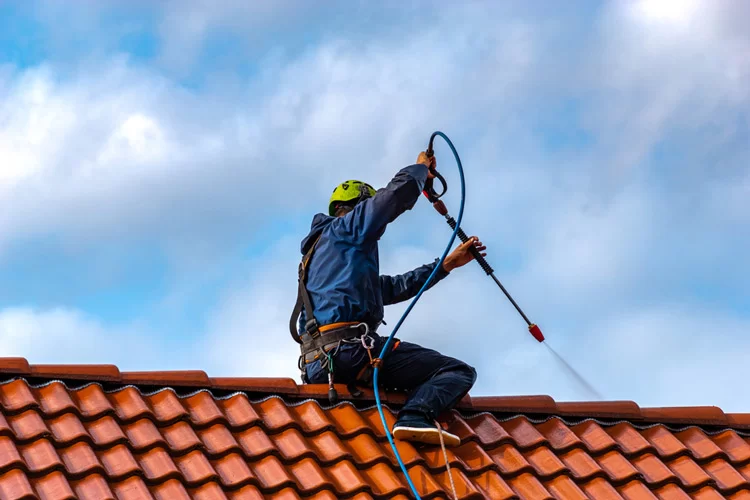
Neglecting your roof can quietly chip away at your home’s value and safety. From a distance, shingles might look sturdy, but up close, algae, moss, and debris launch a slow attack that erodes vital materials. Roof cleaning is not just a matter of aesthetics; it is a science-based approach to preventing hidden damage and saving thousands in repairs.
Why Roof Cleaning Matters: Identifying the Hidden Threats
Beneath layers of leaves and grime, your roof faces daily threats that most homeowners never see.
Common Roof Contaminants: Algae, Moss, and Debris
Pacific Northwest homeowners, especially those in Olympia and Tumwater, often battle a damp climate rife with algae blooms and moss growth. These invaders anchor themselves to shingles, holding moisture and encouraging even more growth. Fallen leaves, pine needles, and dust add further weight and trap moisture against roofing materials.
How Contaminants Accelerate Roof Wear and Damage
Algae and moss might seem harmless, but they act like sponges. Constant dampness softens shingle edges and creeps beneath them, forcing surfaces to warp or crack. Over time, this allows water to find its way into the underlying structure. Debris clogs gutters and impedes drainage, turning a simple problem into a major leak risk.
The Cost of Neglect: Repairs and Premature Replacement
Ignoring these threats leads to repairs more costly than routine maintenance. What starts as surface staining can end with rotted plywood, ruined insulation, and expensive replacement work. Regular cleaning stops this cycle before it begins.
Pressure Washing Explained: What It Is and How It Works
At its core, pressure washing harnesses the force of water to dislodge and remove stubborn grime.
The Science Behind Pressure Washing Technology
Water, when pressurized and directed through specialized nozzles, can break apart organic matter and wash it away. This process eliminates contaminants without relying on harsh chemicals, making it an environmentally friendly choice when done correctly.
Differentiating High-Pressure Washing and Soft Washing
Not all roofs can handle the same treatment. High-pressure washing blasts away tough grime on concrete, but softer roofing materials (like asphalt shingles) require gentle cleaning. Soft washing combines lower water pressure with safe detergents to lift stains without damaging surfaces.
Safety Considerations for Roof Surfaces
Professional cleaners know which method suits each material. Using excessive force can erode shingles or drive water under the roof. Appropriate pressure settings and environmentally safe cleaning agents protect your investment.
How Pressure Washing Extends Roof Longevity
Keeping your roof clean does more than boost curb appeal; it defends against long-term wear.
Removing Harmful Growths to Prevent Material Degradation
By clearing away moss and algae, pressure washing prevents the gradual breakdown of shingles. This helps preserve the roof’s structural integrity and extends its service life.
Enhancing Roof Drainage and Preventing Water Damage
A clean roof allows rainwater to flow freely into gutters and downspouts. This reduces pooling, prevents ice dams, and stops moisture from seeping into vulnerable places.
Preserving Shingle Integrity and Color
Stains and organic growth not only discolor shingles but also weaken them. Pressure washing reveals the true color of your roof and shields it from ultraviolet damage.
Comparing Roof Cleaning Methods: Pressure Washing vs Alternatives
Not all cleaning methods create equal results.
| Method | Effectiveness | Risk to Roof | Environmental Impact | Frequency Needed |
|————————-|————–|————–|———————|——————|
| Pressure Washing | High | Low (when soft washed) | Low | 1-2 years |
| Chemical Treatments | Moderate | Medium | High (depends on chemicals) | 1-2 years |
| Manual Cleaning | Low-Moderate | Low | Low | More frequent |
Chemical treatments often leave residues and require careful handling. Manual cleaning is less effective at removing deep-rooted growth and can be time-consuming. Pressure washing offers a balance of thoroughness, safety, and environmental responsibility.
Choosing the Right Roof Cleaning Service
Selecting a skilled provider is crucial.
What to Look for in a Professional Cleaner
Experience with local roof types, up-to-date equipment, and knowledge of safe techniques set top-tier services apart. Ask about training and results with similar properties.
Importance of Using Safe Cleaning Agents
Responsible providers use solutions that protect both your roof and the surrounding environment. This prevents runoff pollution and ensures pets, plants, and humans stay safe.
Licensing, Insurance, and Local Expertise
Licensed and insured companies provide peace of mind and stand behind their work. Local knowledge, like that offered by Zachs Power Washing roof cleaning, ensures cleaning methods fit the Pacific Northwest’s unique climate challenges.
DIY Pressure Washing: What You Need to Know
Some homeowners consider tackling roof cleaning themselves. If you do, focus on safety and technique.
Essential Equipment and Settings for Roof Cleaning
Use a pressure washer with adjustable settings, soft wash attachments, and proper safety gear. Never exceed recommended PSI for your roofing material.
Step-by-Step Guide to Pressure Washing Your Roof Safely
– Clear debris with a leaf blower or broom.
– Apply eco-friendly detergent with the soft wash system.
– Rinse with low-pressure water, moving from top to bottom.
– Inspect for missed spots or damage.
Common Mistakes to Avoid
Never use ladders on wet roofs. Do not blast high pressure directly onto shingles. Avoid chemical cleaners unless you know how they affect your roof.
Post-Cleaning Care for Maximum Roof Health
A single cleaning is not enough. Periodic maintenance keeps your roof in prime condition.
Regular Maintenance Tips to Prevent Recontamination
Keep trees trimmed to reduce shade and debris. Clean gutters regularly to prevent buildup.
Monitoring Roof Condition After Cleaning
Check your roof periodically for signs of regrowth or damage, especially after storms.
Scheduling Professional Cleanings for Long-Term Benefits
Plan professional roof cleanings every one to two years. This routine approach offers the best defense against the relentless Pacific Northwest climate.
Taking Action: How to Start Boosting Your Roof’s Lifespan Today
A well-maintained roof saves money, enhances your home’s appearance, and keeps you protected. Assess your roof’s condition, consult trusted local experts, and set a regular cleaning schedule that fits your budget. Your roof will thank you for it, year after year.