

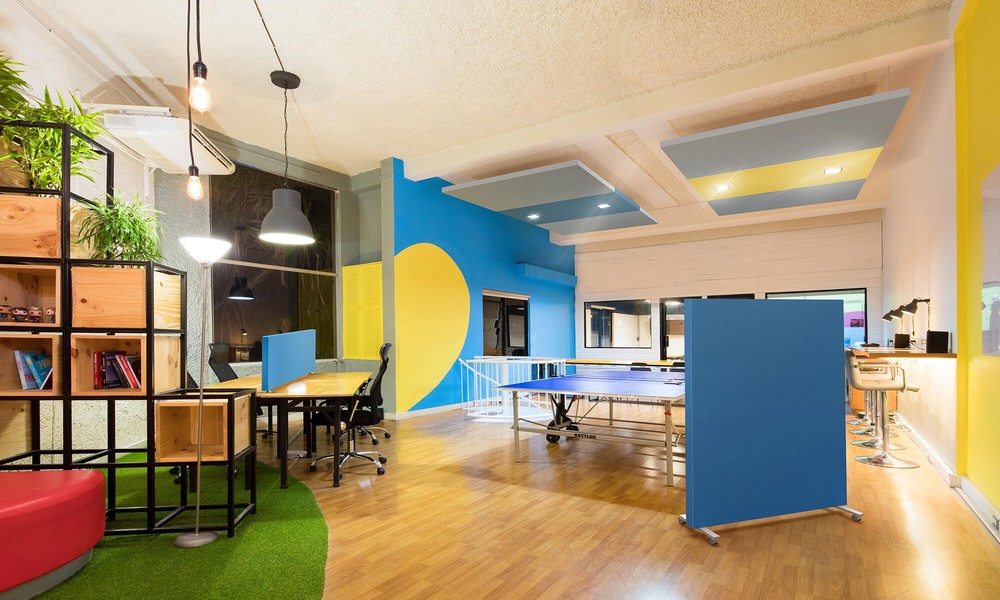
If you’ve ever walked into a room and immediately felt at ease without really knowing why, there’s a good chance acoustics played a part. It’s not just about how a space looks. It’s also about how it sounds when people talk, move around, or simply exist in it. That’s where ceiling panels come in, and they often do far more than most people realise.
In many modern spaces, especially offices, cafés, and homes with open layouts, sound tends to bounce around. Hard surfaces like concrete, glass, and tiles reflect sound waves, which can make conversations overlap and create a sense of constant background noise. It doesn’t always feel overwhelming at first, but over time it can affect how comfortable a space feels to be in.
An acoustic ceiling panel is one of the simplest ways to manage this. They help absorb sound energy rather than letting it bounce freely across the room. The result is a space that feels more balanced and easier to spend time in, whether you’re working, relaxing, or talking with others.
Why acoustics matter more than most people think.
Sound plays a big role in how we experience a space. In an office, for example, poor acoustics can make it harder to concentrate. Conversations from nearby desks can overlap with phone calls, and even small noises start to feel distracting. In homes, especially open-plan ones, sound can travel from the kitchen to the living room without much resistance.
When a room has too many reflective surfaces, sound doesn’t settle. It keeps bouncing, creating a kind of acoustic clutter. Even if the space looks beautiful, it can still feel slightly uncomfortable to spend long periods in. This is where ceiling panels make a noticeable difference. They help reduce that constant echo effect, making sound feel more contained and natural within the room.
How ceiling panels actually work.
Ceiling panels are designed with materials that absorb sound waves instead of reflecting them. When sound hits a hard surface, such as plaster or concrete, it bounces back into the room. But when it hits an acoustic panel, much of that energy is absorbed and converted into a small amount of heat within the material.
This reduces the overall level of sound reflection in the room. Voices become clearer, background noise becomes less overwhelming, and the space feels more controlled without changing its visual design too much.
Some panels are made from mineral fibre, foam, or fabric-wrapped materials, each offering different levels of absorption. The placement also matters. Panels installed strategically across the ceiling can make a bigger impact than randomly placed ones, especially in larger rooms.
Ceiling panels improve both comfort and atmosphere.
When people talk about comfort indoors, they usually think about temperature, lighting, or furniture. Sound is often overlooked, even though it affects how relaxed or focused we feel.
This is where ceiling panels improve comfort and acoustics indoors in a very practical way. They help reduce the strain that comes from processing too much overlapping sound. In a meeting room, this means clearer communication. In a restaurant, it allows conversations to flow without people having to raise their voices too much. At home, it can make everyday living feel more settled and less chaotic.
There’s also a psychological side to it. Spaces with better acoustic balance tend to feel more organised and calm, even if they’re busy. People naturally feel more at ease when they can hear clearly without effort.
Common places where ceiling panels make a difference.
You’ll often find ceiling panels in offices, schools, and commercial buildings, but they’re becoming more common in residential design too.
In offices, they help create a more focused working environment. Open-plan layouts benefit a lot from acoustic control since sound travels easily between workstations. Panels help reduce that spread and make the environment more manageable.
In restaurants and cafés, they improve the dining experience. Without acoustic treatment, these spaces can become overwhelming when full. Conversations blend together, making it hard to focus on the person you’re talking to. Ceiling panels help keep the sound levels more balanced.
In homes, especially modern apartments with open layouts, they help define different living zones. Even if there are no physical walls separating spaces, acoustic treatment can make each area feel more distinct.
Design has come a long way.
One of the reasons ceiling panels are more widely used today is because they no longer look purely functional. Early acoustic solutions were often plain and purely practical, but modern designs are much more refined.
You can now find panels in a range of colours, shapes, and finishes. Some are designed to blend into the ceiling so they’re barely noticeable, while others are used as design features in their own right. This means you don’t have to choose between aesthetics and functionality.
For interior designers, this flexibility is important. It allows acoustic control to be part of the overall design rather than something added at the end as an afterthought.
A subtle upgrade with a noticeable impact.
What makes ceiling panels particularly interesting is how subtle they are in practice. They don’t change how a room looks in a dramatic way, but they can change how it feels in a meaningful way.
Once installed, most people don’t consciously think about them day to day. What they do notice is that conversations feel easier, spaces feel more balanced, and there’s less of that overwhelming build-up of sound in busy moments.
That subtle improvement is often what makes the biggest difference in long-term comfort.
Final Thoughts
Good interior design isn’t just about visuals. It’s also about how a space behaves when people start using it. Sound is a big part of that experience, even if it’s not always the first thing people consider.
Ceiling panels offer a practical way to manage acoustics without compromising on design. Whether in a workplace, a hospitality setting, or a home, they help create environments that feel more controlled, more comfortable, and easier to spend time in.
Over time, that kind of improvement becomes something you don’t just notice occasionally. It becomes part of what makes a space feel right.