

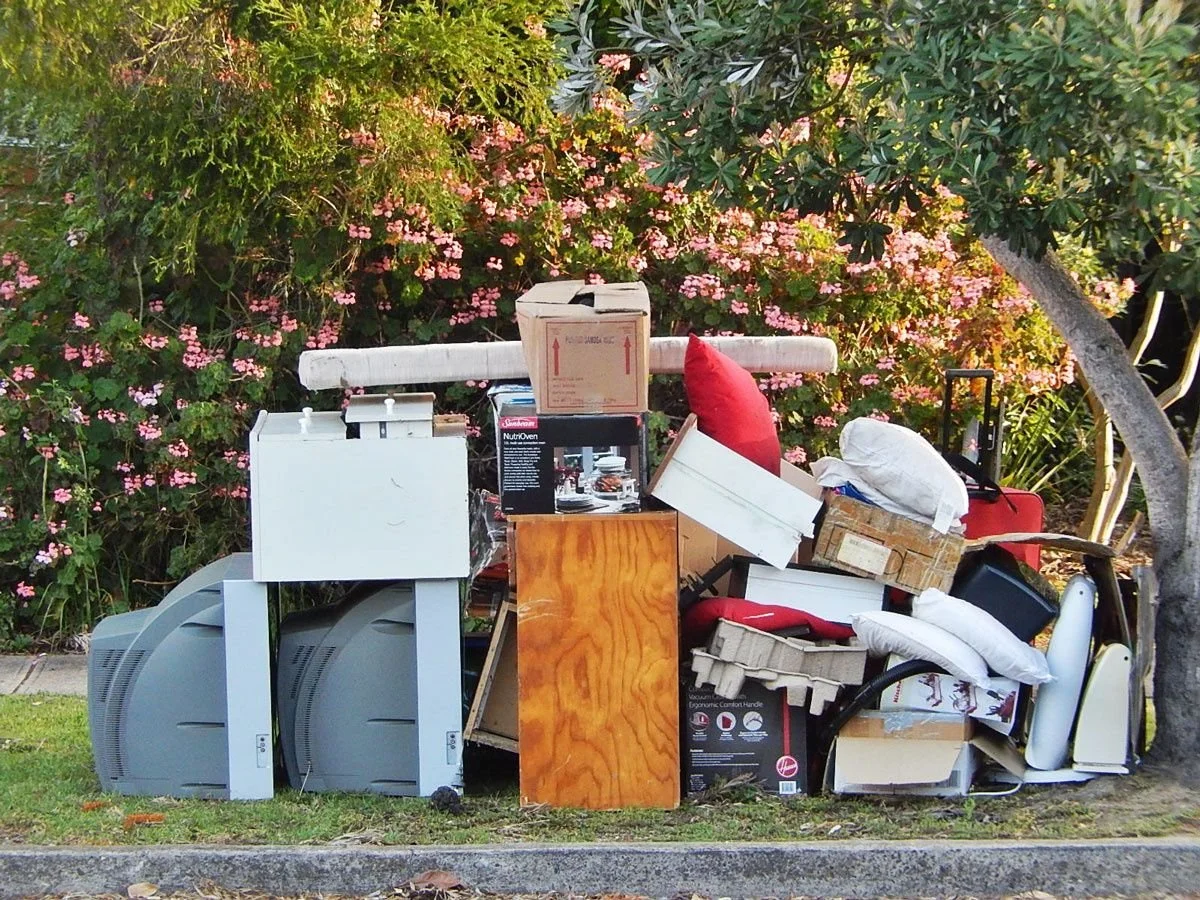
Removal companies prioritise recycling materials that combine environmental benefits with practical processing options. Item categories receive different recycling attention depending on facility access, material worth, and disposal rules. junk removal in Dallas TX, operates separately, collecting items into recyclable and non-recyclable groups, keeping substantial amounts out of landfills. Processing facilities take certain materials more readily based on market demand and existing recycling systems. Standard recyclable groups show up across most removal work despite regional facility variations.
Metal item recovery
Recycling systems have existed for many years, and ferrous and non-ferrous metal scrap values are high. Recycling centres collect and recycle metals such as steel appliances, iron patio furniture, aluminium siding, copper wiring, and brass fixtures. Purchasing metals by weight promotes full recovery of these metals for practical reasons as well as environmental reasons. Recycling teams often separate mixed metals during pickup, remove copper from appliances, and take aluminium frames from furniture, then melt the metals for reuse without mining new ore. Contaminated metals get cleaned before processing, though items with heavy paint or chemical treatment sometimes get turned away from recycling centres.
Electronic waste processing
Rare earth elements, gold, silver, and copper are all found in electronic devices. A special recycling method for e-waste eliminates the need to dispose of computers, televisions, monitors, printers, and audio gear in landfills. Dismantling centres separate circuit boards, wiring, cases, and screens from devices. Batteries, mercury switches, and lead-filled cathode ray tubes are properly recycled, while most states require e-waste recycling by law, wiping hard drives before physical degradation.
Appliance material separation
Recycling centres separate recyclable materials from big appliances, such as metals, plastics, glass, and insulation, during breakdown. The refrigerants in refrigerators and air conditioners must first be removed before the metal can be recycled, while the steel and copper wiring of washing machines, dryers, dishwashers, and stoves need to be removed, non-metal parts are removed, and the shells of the appliances are compressed. There are sometimes rebates available for old appliances that can be recycled, and there is a high metal value, which keeps the process going.
Recyclable material categories
Wood furniture gets chipped for mulch, particle board production, or biomass fuel, based on condition and contamination. Solid wood items in decent shape sometimes go to resale groups instead of material processing. Mattresses get taken apart, separating foam, fabric, springs, and wood frames into different recycling paths. Cardboard boxes, paper goods, and packaging materials get compressed for paper recycling centres. Plastic items are hit with more limited recycling because different polymer types need separate processing methods. Glass windows, mirrors, and bottles get sorted by colour for glass recycling, where nearby facilities exist.
Construction debris diversion
Aggregates are created by crushing concrete, asphalt, bricks, and stones. Teardown materials, such as wood framing and beams, are ground into mulch or wood chips. The paper facing, as well as the gypsum core, is reused in the manufacturing process when drywall is recycled. Metal fixtures, piping, and structural pieces from construction waste enter general scrap metal recycling flows. Roofing shingles holding asphalt sometimes get processed for road paving materials, depending on the area facility’s abilities.
Material recycling choices reflect money sense, processing setup access, and rule requirements instead of environmental benefits alone. Metals, electronics, appliances, and select construction materials steadily reach high recycling numbers across removal work.