

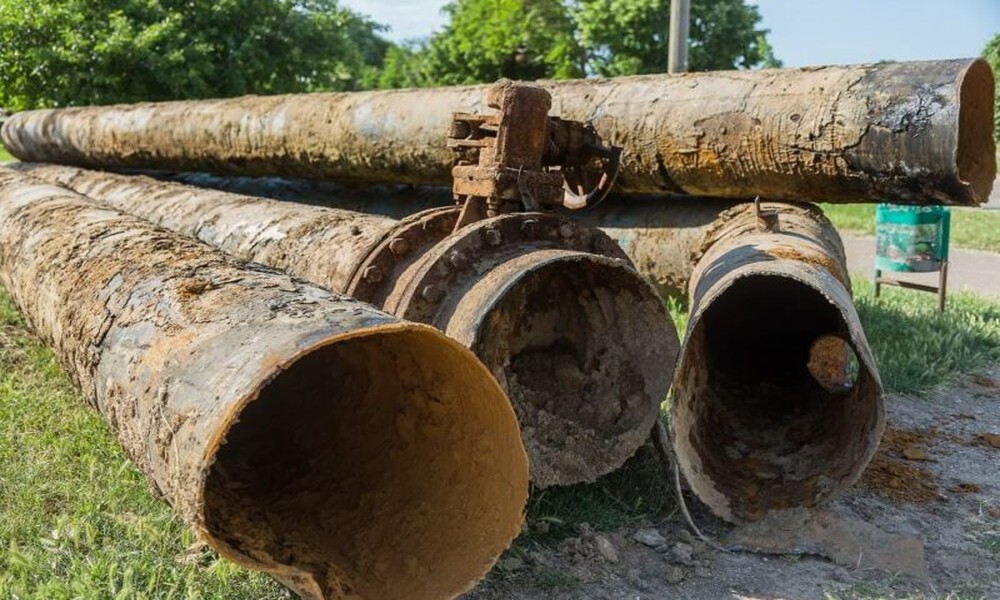
Picture this: a structural collapse, a flooded site, or a project grind to a halt, all because a single batch of steel pipes wasn’t quite what the job required. The risks are real and more common than many realize. Navigating the maze of steel pipe grades is not just a technicality; it’s the backbone of safety, compliance, and project success.
What Are Steel Pipe Grades and Why Do They Matter?
Steel pipes are not all created equal. Their grades represent different chemical compositions and mechanical properties, which define their strength, durability, and suitability for specific uses. Whether building a high-rise, laying new drainage, or tunneling under a city, using the correct grade directly affects safety and longevity.
Understanding Common Steel Pipe Grades
Some of the most common grades include ASTM A53, A106, and API 5L. Each has its own strength, corrosion resistance, and weldability. For instance, ASTM A53 is widely used for structural and pressure applications, while API 5L is preferred for pipeline transportation of oil and gas.
How Grades Affect Pipe Strength and Durability
Imagine a foundation pile made from a pipe meant for water drainage. It might buckle under weight, leading to catastrophic failure. The grade determines how much load a pipe can bear, its resistance to stress and corrosion, and ultimately its lifespan.
The Role of Specifications in Project Success
Project specifications don’t just fill paperwork, they are the DNA of a safe and functional build. Skipping over grade requirements, or accepting “close enough,” opens the door to weak spots in your structure and long-term headaches.
What Risks Arise from Using Incorrect Steel Pipe Grades?
When the wrong grade finds its way into your project, consequences can escalate quickly and become costly or even dangerous.
Structural Failures and Safety Hazards
The most immediate risk is structural failure. Using pipes not rated for certain loads or conditions can result in pipe bursts, leaks, or even total collapses, potentially putting lives at risk.
Costly Project Delays and Material Waste
Every misstep with pipe grade selection can result in needing to rip out and replace vast sections of infrastructure. This doesn’t just set the schedule back; it throws budgets into disarray and generates avoidable waste.
Compliance and Legal Issues
Building codes and industry standards exist for a reason. Failing to meet them because of incorrect grades can result in hefty fines, failed inspections, or, in the worst cases, lawsuits.
How to Identify the Right Steel Pipe Grade for Your Project
Avoiding these dangers starts with a solid plan and the right information.
Assessing Project Requirements and Load Specifications
First, detail your project’s physical, environmental, and regulatory needs. Does it need high tensile strength or resistance to corrosive elements? Answering these questions directs you to the right grade.
Consulting Industry Standards and Codes
Whether it’s ASTM, API, or CSA, industry codes spell out what’s needed for every type of application. Use them as your baseline reference.
Working with Trusted Suppliers for Accurate Grade Selection
Reliable suppliers don’t just sell pipe; they help interpret specs and match products accordingly. Their expertise can mean the difference between a solid foundation and one built on sand.
What Are the Hidden Pitfalls in Buying Steel Pipes?
It’s not just about picking a grade from a catalog. The path to the right steel pipe is littered with less obvious hazards.
Mislabeling and Substandard Materials
Sometimes, pipes are misrepresented or mislabelled, particularly when sourced from multiple vendors or surplus lots. This can mean getting a product that doesn’t meet the expected grade or performance.
Overpaying for Inappropriate Grades
Paying for a higher grade than your project needs is as wasteful as buying the wrong one. Accurate specs keep you from overspending.
Challenges of Sourcing Multiple Vendors
Juggling multiple suppliers increases the risk of inconsistent quality, confusion over specs, and logistical headaches.
How Can You Avoid Buying the Wrong Steel Pipe Grades?
The best defense against these risks is a robust procurement process.
Verifying Supplier Credentials and Product Certifications
Always ask for certifications and traceability documentation. A trustworthy supplier is transparent about their sources and quality assurance.
Requesting Detailed Product Information and Testing Reports
Request mill test reports and independent verification, especially for critical or high-stress applications.
Utilizing One-Stop Suppliers with Wide Grade Selection Like Stealth Pipe and Steel
Centralizing your sourcing with reputable vendors cuts down on risks. Experts suggest that using resources like Stealth Pipe and Steel pipe for sale ensures access to a broad selection of grades, reliable documentation, and expert support from one point of contact.
What Services Can Help Ensure Proper Steel Pipe Usage?
Technical support doesn’t end with purchase. Services that adapt products to exact project needs make a critical difference.
Custom Cutting, Welding, and Beveling to Spec
Precision cutting, welding, and beveling ensure pipes fit their application perfectly, reducing the margin for error on-site.
Threading, Coating, and End Plate Attachment for Project Needs
Applying protective coatings or attaching end plates guards against environmental damage and mechanical stress, prolonging structural integrity.
Consultation and Support from Industry Professionals
Consulting with experienced professionals helps to avoid simple but costly mistakes, ensuring the right product lands on your job site.
How to Manage Surplus and Used Steel Pipes Safely and Profitably
Not all projects need brand-new pipes. Used and surplus steel can be a cost-effective and sustainable option if handled correctly.
Evaluating Quality of Used and Surplus Pipes
Insist on quality checks and documentation to confirm that used pipes meet your project’s requirements.
Selling and Buying Used Pipes with Confidence
Work with buyers and sellers who are transparent about product history and condition, and who provide competitive rates for surplus material.
Logistics and Handling Best Practices
Proper logistics prevent damage during transport and handling, preserving pipe quality from purchase to installation.
Where to Find Reliable Steel Pipe Suppliers with the Right Grades and Services
The right supplier is more than a vendor; they are a project partner.
Advantages of Working with Regional Leaders Like Stealth Pipe and Steel
Regional suppliers with large inventories and professional expertise, like Stealth, simplify every step, from product selection to delivery.
How Their Inventory and Services Simplify Project Management
Access to a broad range of new, surplus, and used steel, cut and prepared to spec, streamlines procurement and reduces risk.
Contacting Experts for Free Consultations and Customized Solutions
Reaching out to proven experts ensures you get answers to your unique project questions and the right materials for the job every time.
Choosing the correct steel pipe grade may not grab headlines, but it can make or break your next project. Invest in planning, partner with knowledgeable suppliers, and never underestimate the value of experience in the world of steel.